 CAN
Blog
Sportsbook Apps: What to Check Before You Bet
By CANBET
· how-to · 7 min read
A game can change in one possession, one drive, or one late lineup update. Sportsbook apps put the betting board, your balance, and available markets in the same place, so you can act when the moment matters. That convenience is the point - but it also makes smart account habits more important.
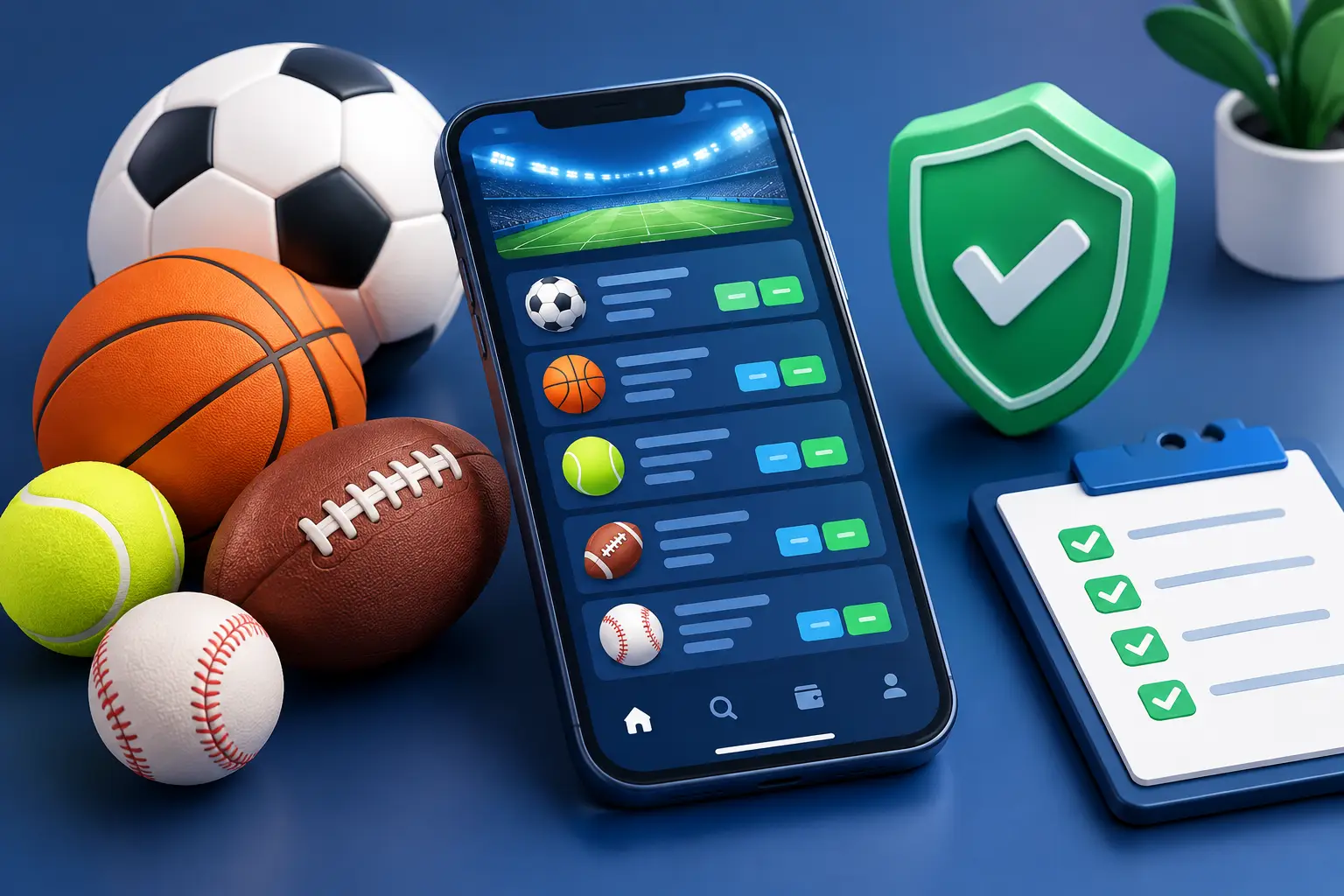
For US bettors, the best experience is not just about finding a game and tapping a wager. It starts with using a legal operator where you are located, understanding the odds on screen, and keeping control of what you deposit and risk. Whether you are betting a Sunday matchup, following a live baseball game, or checking a futures board, the right setup keeps the action clear.
What Sportsbook Apps Put in Your Hands
A sportsbook app is a digital betting account built for access. Instead of visiting a retail counter, you can review sports, compare available markets, add selections to a bet slip, fund your account, and track open wagers from your phone or other connected device.
Pre-game betting is only part of the appeal. Many bettors use apps to follow changing prices before kickoff, review player props, or check multi-game parlay options. Live betting adds another layer: markets can move throughout an event as the score, clock, possession, and game flow change.
That speed is exciting, but it comes with a trade-off. A line that looks available now may move or close before you confirm it. Live odds can change especially fast, which means every wager deserves a quick second look before you place it.
Start With Legal Access and Account Security
Sports betting rules are set at the state level in the US. An app may be available in one state and unavailable in another, and eligible sports or market types can vary by jurisdiction. Always confirm that online wagering is legal where you are physically located and that you meet the legal gambling age requirement.
A legitimate account process will ask for identity and location verification. It can feel like an extra step when there is a game about to start, but it exists to help support legal access, prevent fraud, and protect account activity. Use accurate personal information and complete verification before you plan to wager.
Security is not a background detail. Set a unique password, use available two-factor authentication, and avoid staying logged in on shared devices. If you use a payment method that stores account information, protect the device itself with a passcode or biometric lock.
Keep an eye on the basics after your account is active. Check transaction history, review your open and settled wagers, and contact support through the platform if you see activity you do not recognize. Fast access should not mean less visibility over your funds.
Read the Odds Before You Build a Bet Slip
American odds tell you two things: the potential payout and the implied strength of a selection. Positive odds, such as +150, show the profit on a $100 wager. Negative odds, such as -150, show how much you would need to risk to win $100.
A moneyline is a straight pick on who wins. Point spreads apply a handicap to level the matchup, while totals focus on the combined score going over or under a listed number. Props are tied to specific game events or player outcomes. Futures look further ahead, such as a championship winner or season award.
There is no single market that fits every bettor or every event. A moneyline can be straightforward, while a spread may offer a different price on the same game. Props can make a matchup more engaging if you closely follow player roles and usage, but they should still be judged by the number and terms, not by a hunch alone.
Before confirming any wager, read the selection, odds, stake, potential return, and applicable rules. Check whether you selected over or under, the correct player or team, and the intended game. A bet slip is fast to build. Taking ten seconds to review it can prevent an avoidable mistake.
Single Bets, Parlays, and Higher Variance
Single bets keep the decision focused on one market. Parlays combine multiple selections and can create a larger potential payout, but every leg must win under the listed rules. That makes them higher variance by design.
Same-game parlays add more choices within one event, often combining outcomes such as a team result, total, and player prop. They can be entertaining when you have a clear view of a matchup, but more legs do not automatically make a wager better. Consider the price, the probability of each leg, and what you are comfortable risking if the ticket does not land.
Use Live Betting With a Clear Plan
Live markets turn the game itself into the betting board. You may see updated spreads, totals, next-play markets, period results, and player options as an event unfolds. The appeal is immediate: information changes, and so do the available numbers.
The risk is reacting to every moment. A quick scoring run or turnover can make a line look dramatically different from the pre-game price, yet the game situation may still favor patience. Ask what actually changed. Was there an injury, a major tactical adjustment, foul trouble, weather, or simply a short burst of variance?
Set your stake before you begin browsing live markets. Do not chase a previous loss by increasing your next wager, and do not feel obligated to bet because a market is open. Passing on a number is still a decision. The best live-betting tool is often a clear limit, not a faster finger.
Funding, Withdrawals, and Payment Awareness
A clean account flow matters when you are ready to participate. Review the payment methods available to you, any applicable processing times, and any deposit or withdrawal requirements before moving money. Use only payment methods you control and recognize.
Keep your betting funds separate from money needed for rent, food, bills, debt payments, or other essential expenses. A defined entertainment budget makes it easier to enjoy the action without turning a loss into a financial problem.
Promotional offers can also come with conditions. If you choose to participate, read the full terms before opting in. Look for eligibility rules, minimum odds, wagering requirements, expiration dates, market exclusions, and limits on the amount that can be used. The headline offer is only one part of the decision.
Choose Features That Match How You Bet
The strongest sportsbook apps are not necessarily the ones with the loudest screen. Look for a clear market menu, readable odds, a bet slip that shows the full details, visible account history, and reliable access to help when you need it.
For active bettors, speed and market depth may matter most. For newer users, a clean layout and familiar betting options can be more useful than a crowded list of niche markets. If casino-style entertainment is also part of your play, keeping wagering and game access under one account can make balance management easier - provided you still track spending across both activities.
CanBet is built around that account-first approach: access the action, manage your balance, and make informed choices without the retail counter. The key is using every convenience feature with the same discipline you would bring to the bet itself.
Keep the Experience Entertaining
Sports betting works best as entertainment, not a plan to cover expenses or recover losses. Decide your deposit amount, your wagering limit, and your stop point before the game starts. If the action stops being fun, step away from the app.
Most regulated platforms provide responsible gaming tools such as deposit limits, time reminders, cooling-off periods, and self-exclusion options. Use them early if they would help you stay in control. They are practical account settings, not signs that you have done something wrong.
The next game will always bring another market. Take the wager you understand, skip the one you do not, and keep your betting budget built for the result you can comfortably accept.