CAN
CANBlog
Best Casino Games for Beginners to Start With

By CANBET
· how-to · 7 min read
A casino lobby can move fast: slots spinning, blackjack tables filling, roulette wheels turning, and live dealers calling the next hand. The best casino games for beginners are not necessarily the flashiest ones. They are the games with clear rules, manageable bet sizes, and enough pace to keep the action fun without forcing rushed decisions.

Start with games you can understand in a few minutes. Then decide what kind of experience you want: quick spins, a simple card game, a social live table, or a slower strategy-based session. Real-money casino play should always be entertainment, so set your budget before selecting a game and stick to it.
How to Pick the Best Casino Games for Beginners
New players usually benefit from choosing games based on three things: how easy the rules are to learn, how much control they offer, and how volatile the results can be. A game can be easy to play but still produce sharp swings. Another may have better mathematical odds but require more attention and decision-making.
The house edge is also worth understanding. It is the built-in statistical advantage the casino holds over time. It does not predict the result of your next spin or hand. It simply helps explain why gambling should be treated as paid entertainment, not a way to make income. Rules, game versions, and side bets can all change the edge, so check the game information before playing.
For a first session, low minimum stakes matter as much as game choice. Small bets give you more time to learn the rhythm of a game without burning through a budget in a handful of rounds. Practice or demo modes can help with mechanics, but they do not recreate the pressure of wagering real money.
Slots: the fastest way to learn the controls
Slots are often the first stop for beginners because the basic action is immediate. Pick a stake, press spin, and the game resolves the result. There are no card decisions, betting charts, or opponents to read.
That simplicity comes with a trade-off: players have little control over individual outcomes. Modern online slots can also vary widely in volatility. Low-volatility slots tend to produce smaller wins more often, while high-volatility titles may go longer between wins but offer the possibility of bigger payouts. Neither format is better for everyone, but lower volatility is usually easier on a beginner bankroll.
Before playing, look at the paytable, bonus features, minimum bet, and any stated return-to-player percentage. RTP is a long-term theoretical figure, not a promise for one session. Avoid increasing your bet just because a bonus feature has not appeared. Each spin is independent.
Roulette: simple choices and visible odds
Roulette works well for newcomers who want an easy table game with a clear layout. The wheel lands on a number and color, and your wager wins or loses based on where the ball stops. Outside bets such as red or black, odd or even, and high or low cover more numbers, so they win more often than straight-up number bets. Their payouts are smaller for the same reason.
If roulette is your starting point, pay attention to the wheel type. European roulette has one zero, while American roulette has both a zero and double zero. That extra pocket increases the house edge, making European roulette the more favorable version from an odds perspective when it is available.
Roulette is still a game of chance. Betting both red and black does not create a profit strategy, and systems that promise to recover losses by raising stakes can quickly run into table limits or your own budget limit. Keep every wager size planned, not reactive.
Blackjack: strong odds when you learn basic strategy
Blackjack gives beginners more involvement than slots or roulette. You receive cards, try to get closer to 21 than the dealer without going over, and make decisions such as hit, stand, double down, or split. The game moves quickly once you know the basics, especially online.
Its appeal is that correct decisions can reduce the house edge compared with many casino games. That does not mean you can eliminate risk or guarantee a win. It means the rules reward informed play. A basic strategy chart tells you the statistically preferred move for your hand against the dealer's visible card.
Begin with standard blackjack rather than jumping into side bets. Side bets can be entertaining, but they generally carry higher house edges and add complexity. Also check the table rules. Details such as whether blackjack pays 3:2 or 6:5, whether the dealer hits soft 17, and how many decks are used can affect the game’s value. A 3:2 blackjack payout is generally more player-friendly than 6:5.
Baccarat: low-pressure card action
Baccarat looks formal, but the core game is straightforward. You wager on the Player hand, the Banker hand, or a Tie. The cards are dealt according to fixed rules, so you do not need to decide whether to hit or stand.
For most beginners, Banker or Player is the practical choice. Banker typically has the lowest house edge of the main bets, though winning Banker bets usually include a commission. Tie bets offer bigger advertised payouts but have much lower odds of winning and a significantly higher house edge.
Baccarat is a good fit if you enjoy card games but do not want to memorize strategy decisions. It is also available in many live-dealer formats, where the pace can feel closer to a table session while you play from your device.
Video poker: a better fit for players who like decisions
Video poker combines slot-style speed with poker hand rankings. You receive five cards, choose which cards to keep, and draw replacements to make the strongest paying hand. The rules are easy enough to start, but good results depend on making sound hold-and-draw decisions.
Look for a full paytable and learn the correct approach for the specific variation. Jacks or Better is a common entry point because its hand rankings are familiar and its structure is easy to follow. Video poker is less about reading other players and more about making disciplined choices on every hand.
A Smart First Casino Session
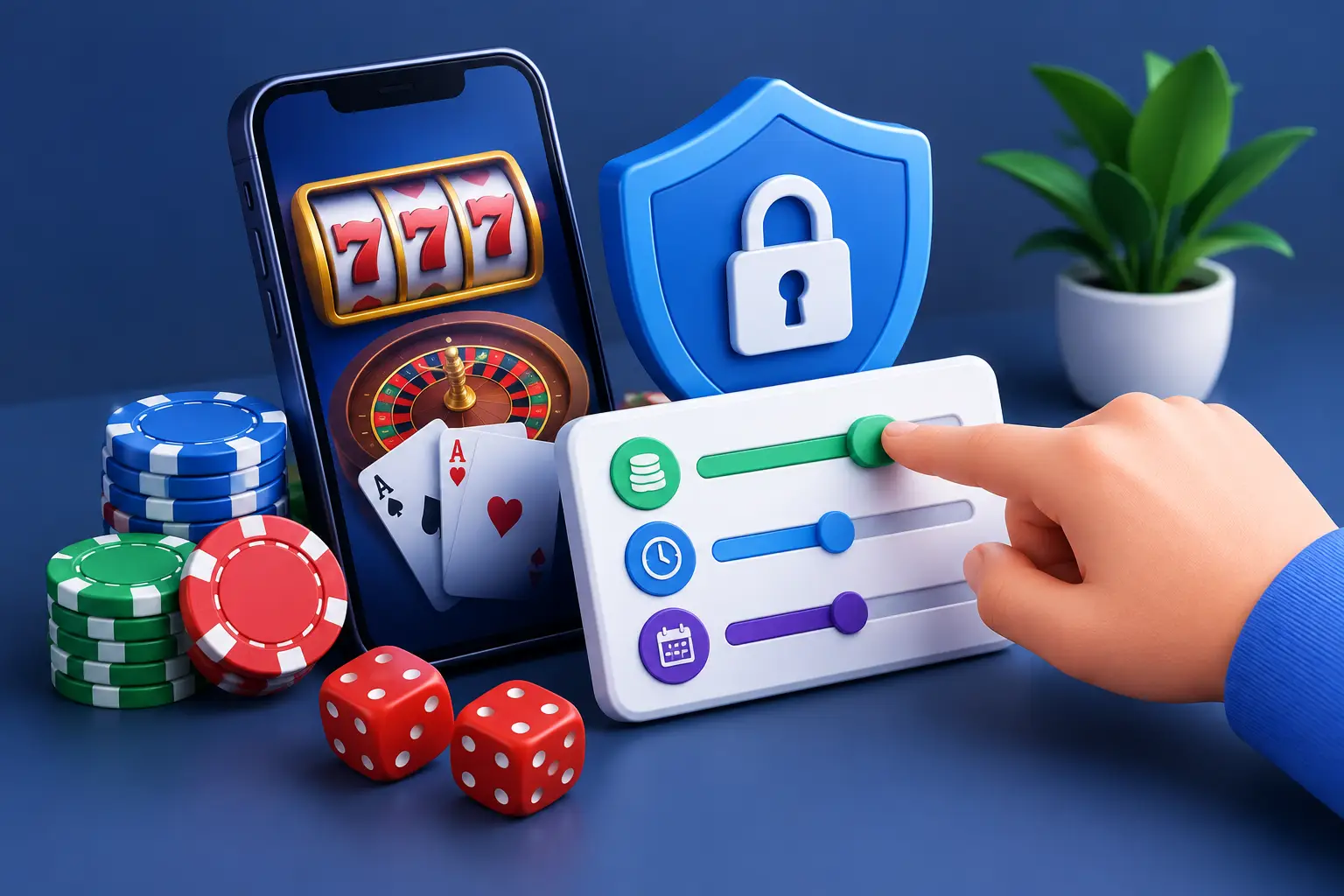
The game matters, but your approach matters more. Before you enter a real-money game, set a session budget you are comfortable losing. Treat that number as the cost of entertainment, not a target you need to win back. Decide on a time limit too, particularly when playing fast games like slots or live roulette.
Use a stake size that allows room for normal swings. If a few losses would make you want to double your next bet, the stake is probably too high. Chasing losses is one of the fastest ways a casual session turns into a bad decision.
Keep the first session focused. Learn one game rather than switching between every category in the lobby. For example, try roulette with a fixed outside-bet amount, or play blackjack while using a basic strategy chart. Once the rules feel natural, you can explore variations, live tables, jackpots, and feature-heavy slots.
Promotions can add entertainment value, but read the terms before opting in. Wagering requirements, eligible games, maximum bet limits, and expiration dates affect how an offer works. A bonus is not a reason to spend beyond the amount you planned to play.
Which Game Should You Choose First?
Choose slots if you want instant action and the simplest controls. Choose roulette if you like visible odds and a clean betting layout. Choose blackjack if you are willing to learn a little strategy for more decision-making. Choose baccarat if you want a card game without having to make card-play decisions. Choose video poker if you enjoy studying a game and improving your choices over time.
There is no single right answer because the best starting game depends on the kind of entertainment you want. A player who wants quick, low-effort rounds may prefer slots. Someone who enjoys learning systems and making choices may get more from blackjack or video poker.
Only play where online casino gaming is legal for you and only if you meet the required legal age. If gambling stops feeling fun, pause the session, use available account controls, or step away completely. The right first game is the one you can enjoy at a pace and budget that stay firmly under your control.