CAN
CANBlog
How Crypto Sports Betting Works for US Bettors

· how-to · 8 min read
A line can move in seconds. So can a crypto transaction. That timing is a big part of the appeal of **crypto sports betting**: you can fund an online betting account with digital assets, choose a market, and get in on the action without relying solely on traditional banking methods. The sports are familiar. The odds are familiar. The funding method is what changes.
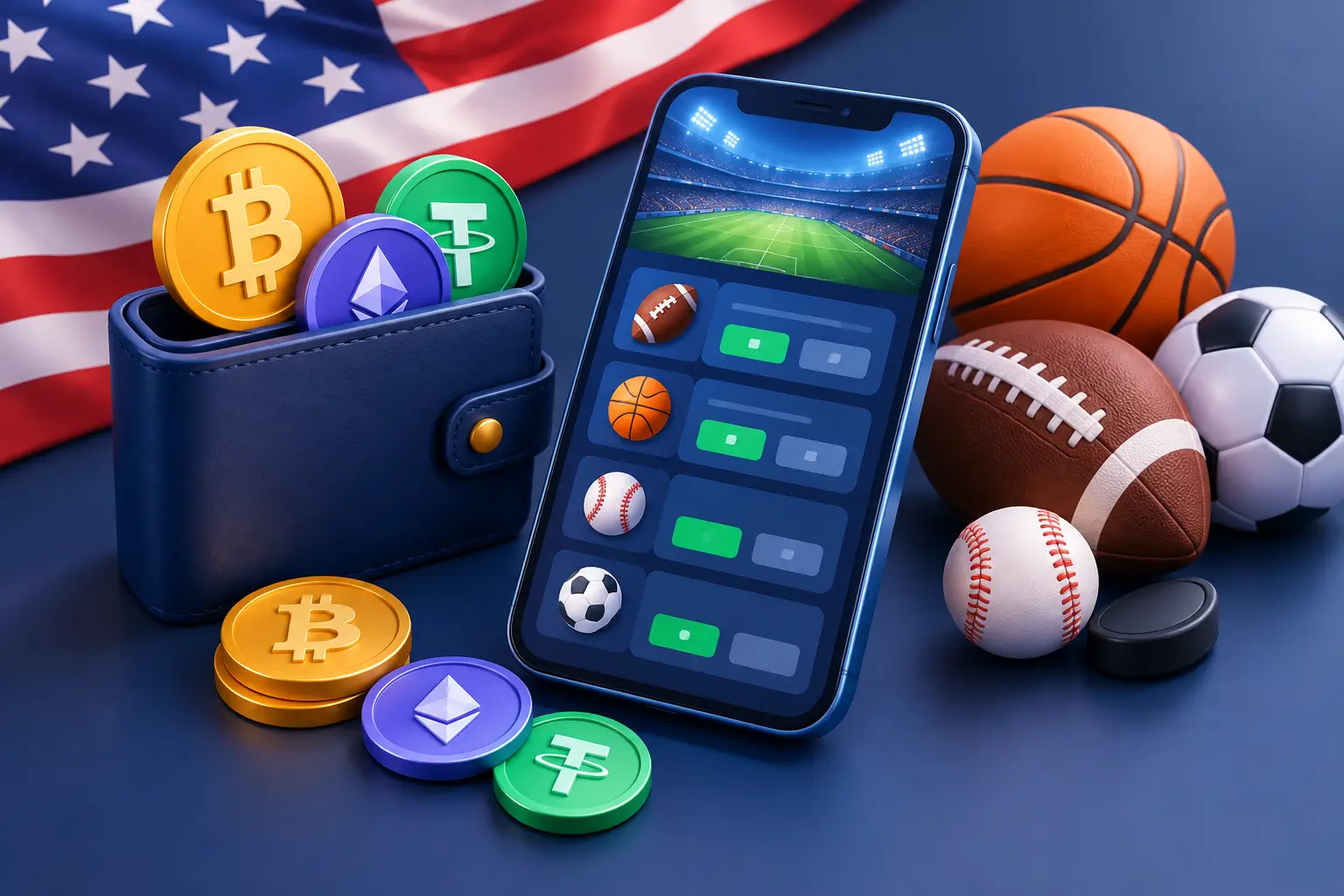
For US bettors, the details matter. Crypto can offer speed and flexibility, but it does not remove the need to use a properly available platform, verify your account when required, understand the value of the asset you are sending, and bet within a budget. The best experience is fast because the basics are handled before kickoff.
What Is Crypto Sports Betting?
Crypto sports betting means using a cryptocurrency, such as Bitcoin, Ethereum, or a stablecoin, to deposit funds, place wagers, and potentially withdraw winnings through an online sportsbook. Once the funds reach your betting balance, the wagering experience generally works like any other digital sportsbook: select a sport, review the odds, choose a market, enter your stake, and confirm the bet.
That could mean backing the moneyline before the first pitch, taking a point spread before tipoff, or choosing a player prop during a major football matchup. Depending on the sportsbook and your location, you may also see futures, totals, parlays, live betting markets, and casino-style games in the same account.
Crypto does not make a bet more likely to win. It changes how you move money into and out of the platform. Odds, market rules, settlement times, and house rules still deserve your full attention.
Why Bettors Use Crypto for Sports Betting
The biggest draw is transaction control. A crypto wallet lets you send funds directly to the deposit address provided by an eligible sportsbook. For bettors who already use digital assets, that can feel more direct than entering card details or waiting on a bank transfer.
Speed can also matter. Traditional payment methods may involve bank processing windows, card restrictions, or third-party approval steps. Crypto transfers operate on blockchain networks, which can process at any hour. Confirmation time still depends on the network, the asset, and the transaction fee, so "instant" is never guaranteed.
Privacy is another common reason bettors consider crypto. However, privacy should not be confused with invisibility. Legitimate online wagering operators may require identity and age verification, especially where local rules demand it. Blockchain transactions are also recorded on public ledgers, even if wallet addresses do not display a name.
Then there is access to a broad betting experience. A platform such as CanBet can bring sports markets and casino entertainment into one account, allowing eligible users to manage their balance and betting activity from one place. Convenience is valuable when the game is live, but it works best when you have already learned the platform before a high-pressure moment.
How to Place a Crypto Sports Bet
The process is straightforward, but accuracy matters at every stage. Crypto transfers are usually irreversible. One incorrect character in a wallet address or one unsupported network can turn a quick deposit into a frustrating problem.
Start with availability and account verification
Before depositing, confirm that the operator is available where you are located and that you meet the legal gambling age for your jurisdiction. US rules vary by state, and an online sportsbook may use location checks, identity verification, or both.
Create your account with accurate information. Complete any requested verification before you need to make a time-sensitive deposit or withdrawal. This protects the account process and prevents a pending document request from interrupting your plans later.
Choose the supported coin and network
Do not assume every sportsbook accepts every cryptocurrency. Check the cashier section for the listed coins, supported networks, minimum deposit amount, and any processing requirements. Bitcoin, Ethereum, and stablecoins may all have different confirmation times and network fees.
The network selection deserves extra attention. A wallet can support multiple networks for the same type of asset. If the sportsbook provides an address for one network, send the funds only through that exact network. If anything looks unclear, pause before sending. A rushed deposit is not worth risking the funds.
Send a small test amount when needed
If you are using a new wallet or a new sportsbook cashier for the first time, sending a small test transaction can be a sensible move. It adds a few minutes, but it confirms that you have the correct address and network before you move a larger amount.
After the transaction is sent, wait for the required blockchain confirmations and for the sportsbook to credit your account. Avoid sending repeated deposits because the first one has not appeared immediately. Check the transaction status first.
Find the market and review the bet slip
Once your funds are available, the action starts with the board. You might choose a straight bet on a spread, a total, or a moneyline. You may prefer a player prop tied to shots, passing yards, strikeouts, or another stat. Live markets can create more opportunities during the game, but they also move fast and leave less room for second-guessing.
Before confirming, review the bet slip. Check the event, selection, odds, stake, potential return, and any conditions attached to the wager. Parlays deserve another look because every leg must win under the applicable rules. A big potential payout can be exciting, but added legs also make the ticket harder to cash.
The Crypto Details That Affect Your Balance
A sportsbook balance is one number. The value of the crypto used to fund it can be another moving target. That is the trade-off bettors should understand before making a deposit.
If you deposit a volatile asset, its market price can change before, during, or after your betting session. A winning wager may increase your sportsbook balance while the value of the crypto itself falls against the US dollar. The reverse can happen too. Your sports results and your asset price are separate variables.
Stablecoins can reduce price volatility because they are designed to track a reference value, often the US dollar. They are not automatically risk-free, though. Availability, network fees, platform support, and the specific stablecoin all matter. Choose the asset you understand, not the one getting the most attention online.
Withdrawal rules also vary. Confirm the minimum withdrawal amount, the supported payout network, any verification requirements, and expected processing times before placing a large wager. Keep enough crypto in your wallet to cover network fees if the wallet requires them.
Crypto Sports Betting Security Basics
Fast funding only helps if your account and wallet are secure. Treat your sportsbook password and your crypto wallet recovery phrase as two separate high-value assets.
Use a unique password for your betting account and turn on two-factor authentication when it is available. Never share verification codes, wallet recovery phrases, private keys, or account login details. A legitimate operator will not ask for your recovery phrase.
Be careful with lookalike websites, direct messages, and fake support accounts. Instead of following a message or ad, enter the platform address yourself or use the official app when available. Crypto transactions cannot usually be reversed after they are sent, which makes social-engineering scams especially costly.
It also helps to separate your betting wallet from long-term holdings. Keep only the amount you are comfortable using for entertainment in the wallet connected to wagering activity. This creates a practical barrier between a game-day bankroll and assets you are saving for another purpose.
Build a Bankroll for the Action, Not the Chase
The quickest way to make sports betting less enjoyable is to treat one result as a personal emergency. Crypto can add another emotional trigger because price swings may make a balance feel larger or smaller than it did yesterday. Set your betting budget in dollar terms before you convert, deposit, or place a wager.
A simple approach is to decide on a fixed entertainment amount for the week or month, then divide it into smaller units. For example, if your session budget is $100, choosing stakes of $2 to $5 creates room for multiple decisions without putting the entire budget on one game. The exact amount depends on your finances, but the principle stays the same: a stake should never be money needed for bills, savings, or essentials.
Avoid chasing a loss with a bigger live bet or a last-minute parlay. Step away when the budget is spent. Sports are unpredictable, and no deposit method changes that. If betting stops feeling like entertainment, use available limits, take a break, or seek support resources in your area.
The strongest crypto sports betting routine is simple: verify the platform, check the network twice, understand the odds, and set the stake before the game starts. Then let the event be the excitement, not the amount you put at risk.